

Containers are no longer used solely for international shipping and logistics. Today, they are widely preferred for storage, construction sites, offices, accommodation units, modular buildings, and even permanent housing solutions. As container usage expands into new sectors, one of the most common questions asked by buyers and users is whether a permit is required for containers.
The question of whether a permit is required for containers depends largely on how and where the container will be used. In most regions, regulations distinguish between temporary and permanent container installations.
If a container is used temporarily for example, as a mobile storage unit on a construction site or for short-term storage permits may not always be required. However, if the container is placed for long-term use, connected to utilities, or used as a living or working space, it is often considered a structure under local building regulations.
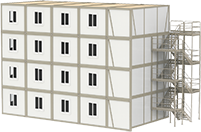
Municipal authorities typically assess factors such as duration of placement, intended use, foundation type, and connection to infrastructure. Containers used as offices, homes, or commercial units usually require permits similar to those for prefabricated or modular buildings.
Because regulations vary by country and municipality, buyers should always consult local authorities before installation.
Containers can fall under different legal classifications depending on their function. A container used purely for transport is generally not subject to building regulations. Once it is placed on land and used as a functional space, it may be classified as a temporary structure or a permanent building.
Temporary containers are usually subject to fewer regulations but may still require notification or approval. Permanent container structures are often subject to zoning laws, building codes, and safety inspections.
This legal distinction directly affects whether permits are required and what type of documentation must be submitted.
Understanding container purchasing procedures is just as important as knowing the legal requirements. The purchasing process typically begins with identifying the intended use of the container. Storage, transportation, office use, or residential use all have different requirements in terms of container type and condition.
Once the purpose is defined, buyers evaluate container specifications such as size, insulation, condition (new or second-hand), and customization options. At this stage, container buying prices are also assessed based on market conditions, container type, and additional features.
After selecting a container, the buyer and supplier formalize the transaction through documentation and payment arrangements. Clear communication during this phase ensures smooth delivery and legal compliance.
One of the most common concerns among buyers is where to buy containers. Containers can be purchased from manufacturers, container suppliers, logistics companies, and specialized modular building providers.
Reputable suppliers offer transparent pricing, detailed product information, and post-sale support. They also provide guidance on legal requirements, transportation logistics, and customization options.
While it is possible to find containers through online marketplaces, working with established companies significantly reduces risks related to quality, documentation, and delivery reliability.
With the growth of digital commerce, many buyers wonder whether buying a container online is safe. Online purchasing can be safe and efficient if done through trusted suppliers with verifiable credentials.
Buyers should ensure that the seller provides clear specifications, real product images, legal documentation, and customer support. Reviews, company history, and physical contact information are important indicators of reliability.
Secure payment methods and written contracts further protect buyers from potential disputes or misunderstandings.
A container purchase contract sample typically includes essential details such as container specifications, price, delivery terms, warranty conditions, and responsibilities of both parties.
Before finalizing a purchase, buyers should carefully review the contract and confirm that all agreed-upon terms are clearly stated. Important documents usually include an invoice, ownership transfer documentation, and compliance certificates if applicable.
For containers used in construction or permanent installations, additional documentation may be required to meet regulatory standards.
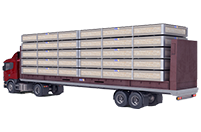
Understanding how container delivery works is critical for planning logistics and site preparation. Container delivery usually involves specialized trucks equipped with container chassis or cranes, depending on container size and placement requirements.
Delivery costs are influenced by distance, container size, site accessibility, and unloading method. In some cases, additional equipment such as mobile cranes may be required for precise placement.
Buyers should ensure that the delivery site is accessible and properly prepared to avoid delays or additional costs.
Container buying prices vary depending on several factors. New containers generally cost more due to their pristine condition and longer lifespan. Second-hand containers are more affordable but may require inspection and minor maintenance.
Additional costs may include transportation, installation, insulation, and customization. Legal fees and permit-related expenses should also be considered when planning the total budget.
Understanding the full cost structure helps buyers make informed decisions and avoid unexpected expenses.
Local authorities play a key role in regulating container usage. They evaluate safety, environmental impact, and zoning compliance. Inspections may be required before and after installation, particularly for permanent container structures.
Failure to comply with local regulations can result in fines, removal orders, or operational restrictions. Proactive communication with authorities ensures smoother approval processes.
Once a container is purchased and installed, the owner assumes legal responsibility for its use and maintenance. This includes compliance with safety standards, environmental regulations, and zoning laws.
Proper documentation and permit approvals protect owners from future legal disputes and ensure long-term usability of the container.
The process includes selecting a container, agreeing on specifications and price, signing a purchase contract, arranging payment, and coordinating delivery.
Containers can be purchased from manufacturers, specialized container suppliers, logistics companies, and reputable online platforms.
To provide you with better service, please email any questions or details regarding your theoretical and specialized architectural plans, projects, and product specifications to info@karmodkonteyner.com. We will respond to your request as soon as possible.


 EN
EN