In the last decade, the concept of container accommodation has become one of the most innovative and practical solutions in the global housing and lodging sector. As urbanization increases, construction costs rise, and sustainability becomes a central priority, many individuals, businesses, and governments are turning to modular, flexible, and cost-effective living solutions. Shipping containers once used solely for transporting goods across the world are now being repurposed into fully functional living units, worker dormitories, eco-resorts, and temporary or permanent homes.
The popularity of shipping container accommodation is driven by its durability, affordability, and high adaptability. Made from industrial-grade corten steel, these structures are designed to endure harsh weather, heavy loads, and long transportation journeys. This inherent strength makes them ideal for conversion into residential units, particularly in regions where rapid deployment, security, and longevity are essential.
Beyond practicality, container accommodation appeals to modern aesthetics as well. Architects and designers appreciate the modular geometry of accommodation shipping containers, transforming them into stylish, minimalist, or eco-friendly spaces that rival traditional housing. The rise of the container lodge trend unique hospitality structures built in scenic natural locations demonstrates how versatile and inspiring container-based living can be.
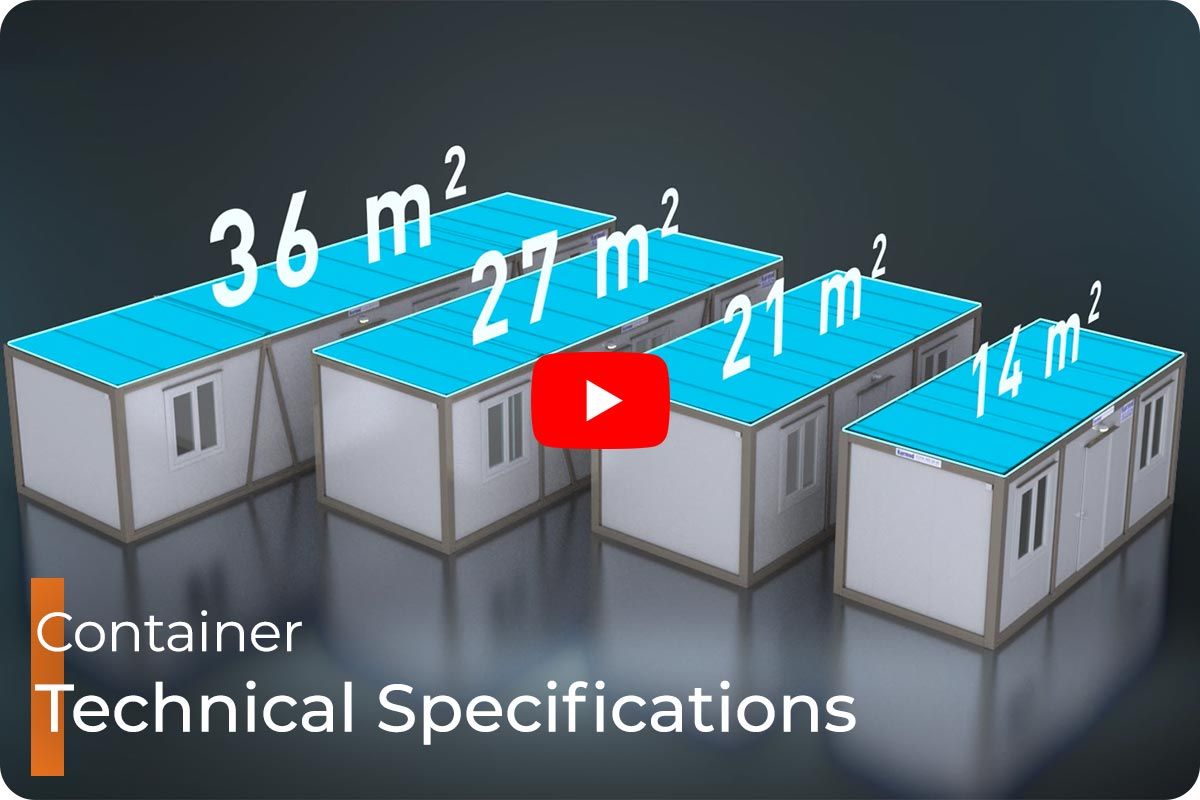
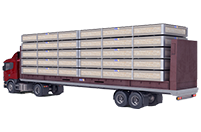
Purchasing container accommodation for sale offers a long-term, highly flexible solution for anyone looking to invest in modern housing, worker housing, or tourism accommodations. Unlike traditional construction, which often requires months of planning and substantial financial investment, container accommodation can be delivered pre-fabricated, partially assembled, or fully finished. This makes installation dramatically faster, allowing businesses and individuals to deploy housing solutions in a matter of days rather than months.
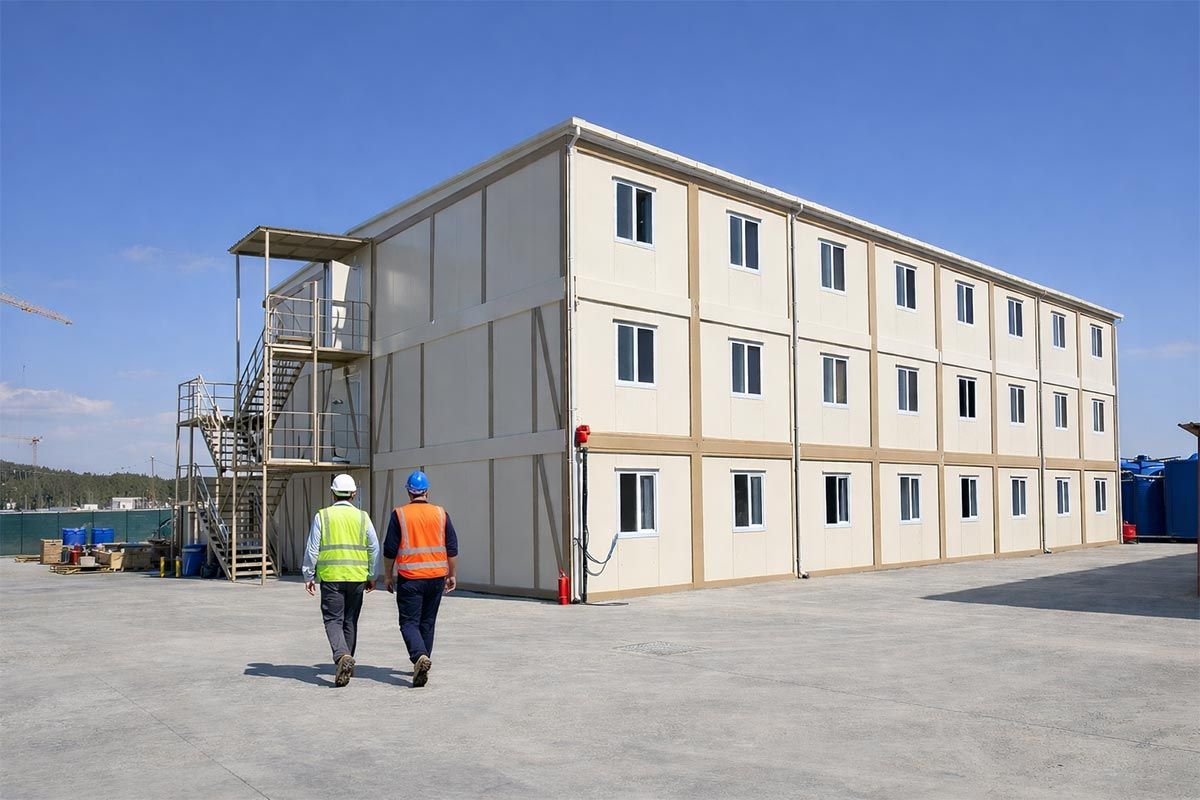
For organizations operating in remote or industrial environments, such as mining companies, energy sectors, or major construction projects, buying accommodation shipping containers is often the most efficient way to house workers. These units can include bedrooms, shared facilities, kitchens, and recreational spaces, offering comfort and practicality even in harsh climates. Their structural integrity ensures that they can withstand demanding environments far better than conventional portable cabins.
The appeal of container accommodation for sale extends beyond industrial use. Many entrepreneurs and investors are now purchasing containers to develop boutique holiday rentals or eco-resorts. The container lodge concept has become particularly popular in coastal areas, forests, deserts, and mountain regions, offering guests a unique, Instagram-worthy living experience that combines modern design with natural surroundings. By customizing exteriors and interiors, investors can create luxury suites complete with panoramic windows, wooden finishes, rooftop terraces, or minimalist Scandinavian-style décor.
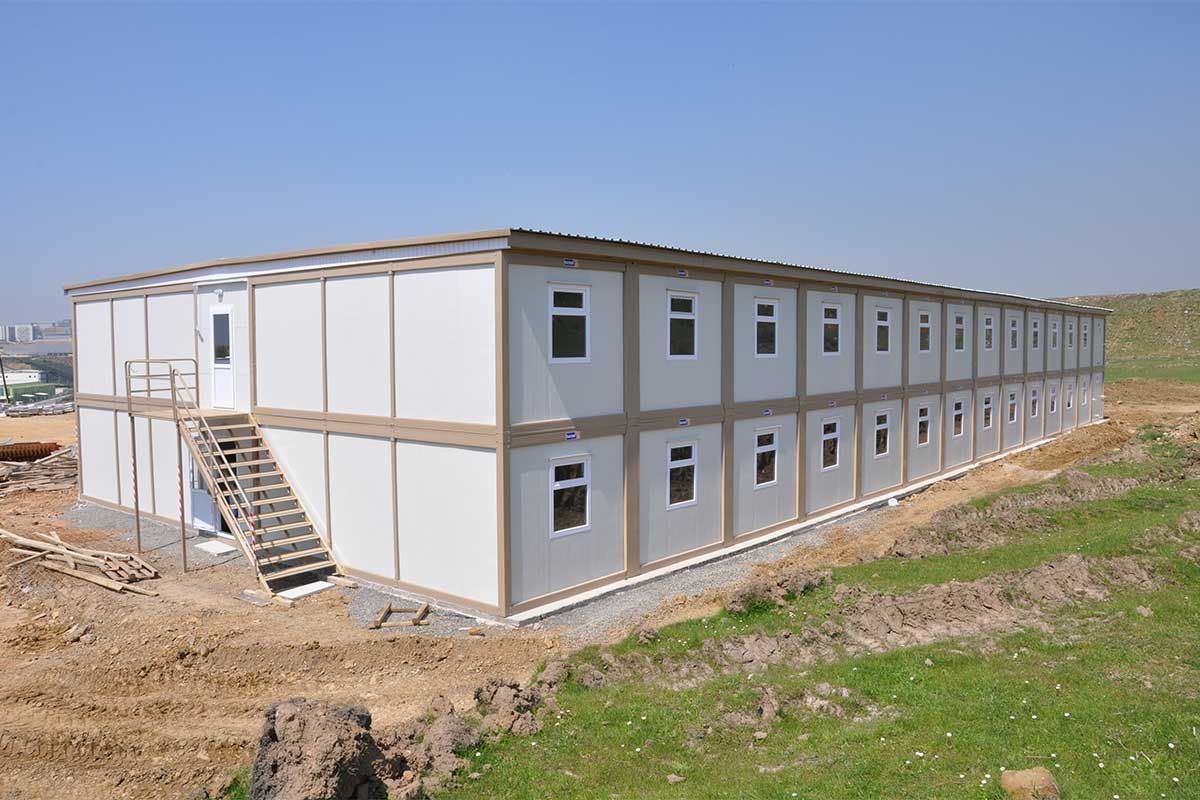
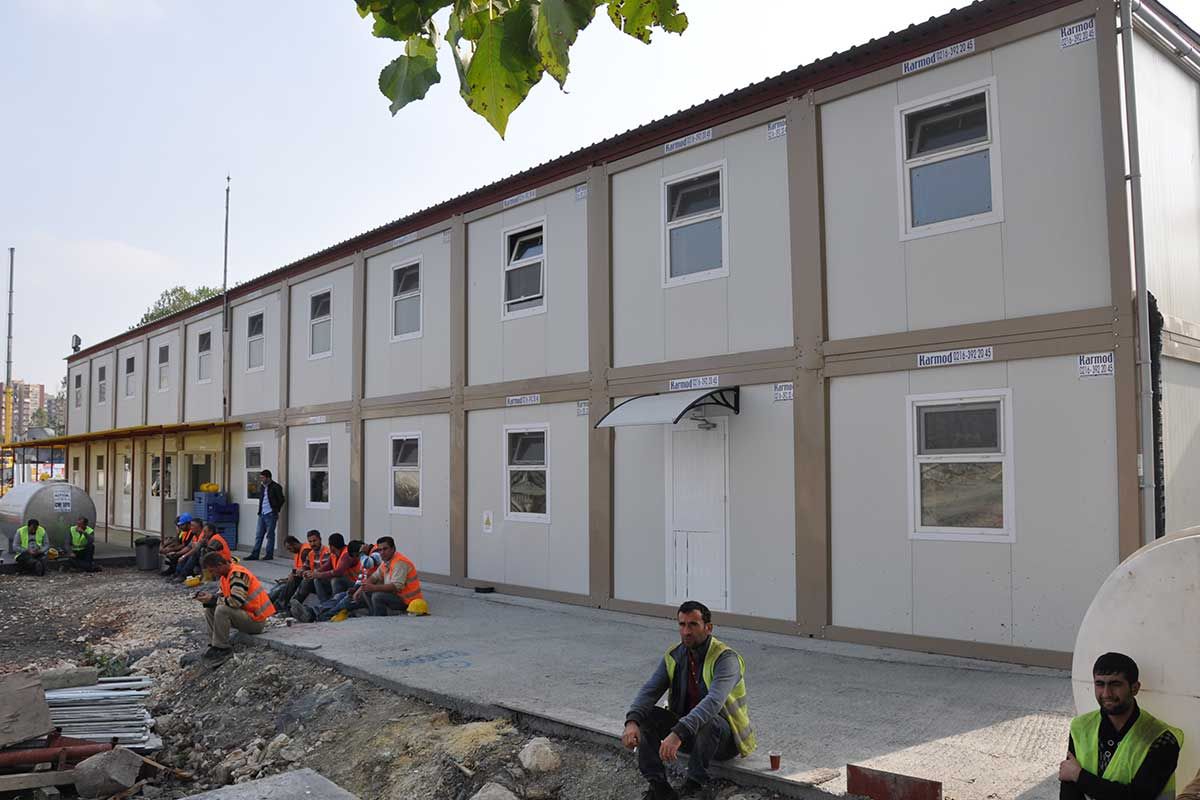
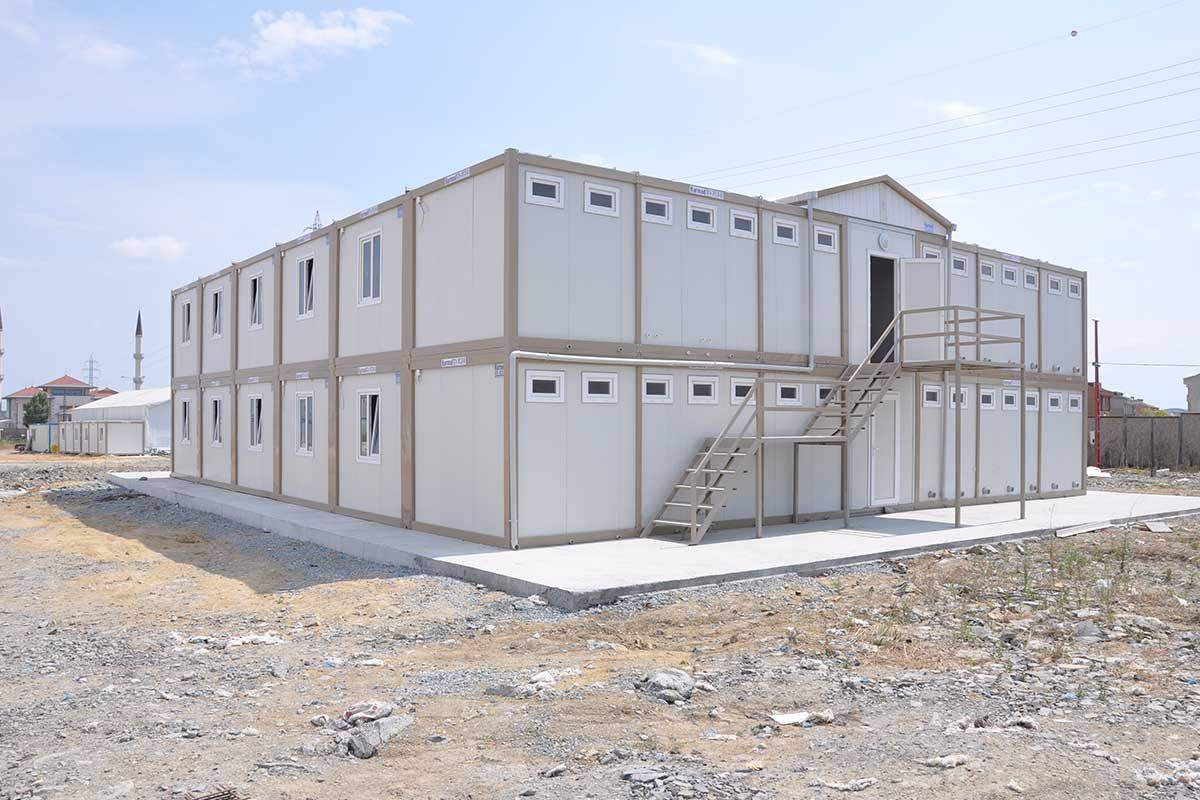
One of the biggest advantages of purchasing container accommodation is sustainability. Repurposing old shipping containers reduces waste and lowers the carbon footprint of construction projects. For environmentally conscious buyers, this offers a strong competitive edge and aligns with global sustainability goals. Additionally, containers can be outfitted with solar power, rainwater harvesting systems, and energy-efficient insulation, ensuring long-term environmental and financial savings.
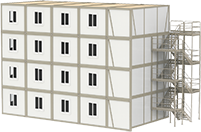
Because shipping containers are standardized, they also support modular expansion. Buyers can easily add more units, stack them vertically, or create interlinked living blocks. Whether building worker campuses, emergency shelters, student dormitories, or small eco-hotels, modular accommodation shipping containers allow for continuous adaptation as needs evolve.
As global housing shortages intensify, shipping container accommodation is becoming an increasingly accepted part of urban and rural development. In many countries, government agencies and non-profit organizations have adopted accommodation shipping containers as a solution for emergency housing, disaster response, and affordable living initiatives. Their fast installation and portability make them ideal for crisis situations where rapid shelter is essential.
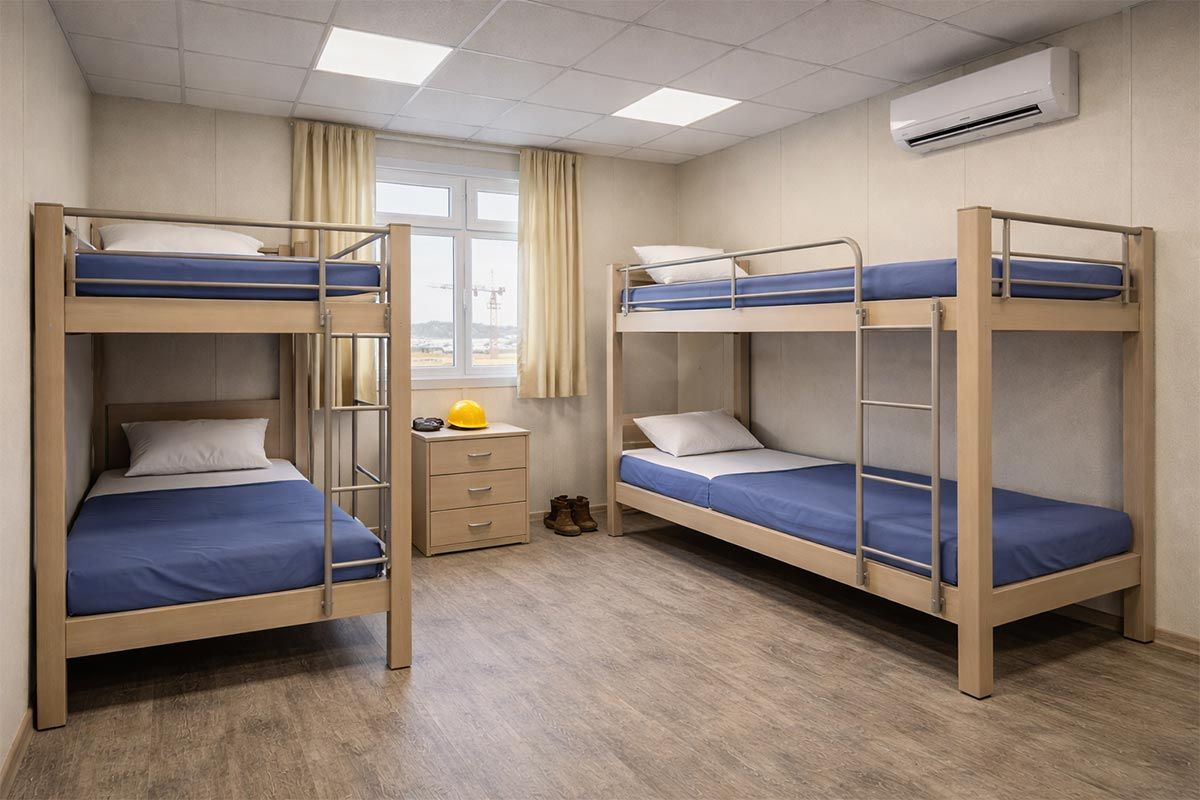
In urban areas, container apartments and container dormitory projects are emerging as cost-effective alternatives for students, young professionals, and low-income families. By stacking multiple units and integrating shared communal areas, cities can create affordable and sustainable living communities in limited spaces. Developers appreciate the predictability of container dimensions, which simplifies planning and reduces construction waste.
In rural and tourism-driven regions, developers are embracing the container lodge concept. These lodges provide a perfect balance between luxury and simplicity, offering immersive natural experiences without the environmental footprint of large traditional hotels. Guests are drawn to the uniqueness and aesthetic appeal of container lodges, especially when placed in beachfront locations, mountain valleys, forest retreats, and lakeside destinations.
While shipping containers begin as industrial structures, modern design techniques allow them to be transformed into warm, inviting, and highly functional living environments. Interior design plays a crucial role in maximizing comfort and usability. The first step in converting a container is insulation, which ensures the living space maintains stable temperatures throughout the year. Combined with proper ventilation, heating, and air-conditioning systems, insulated container homes remain comfortable in hot, cold, or humid climates.
Interior layouts can be customized according to purpose. For example, a container lodge might feature large windows, open-plan living areas, and natural materials to create a luxurious boutique atmosphere. Worker accommodations, on the other hand, might focus on durability, privacy, and efficient use of space, incorporating multiple bedrooms or bunk-style layouts.
Modern container accommodation often incorporates clever storage solutions, multifunctional furniture, energy-efficient lighting, and integrated technology. Exterior design also enhances the overall appeal. Containers can be painted, clad with wood or composite materials, fitted with outdoor decks, or combined with landscaping elements to create a welcoming environment.
With thoughtful design, accommodation shipping containers can easily meet or exceed the standards of traditional housing, offering a high level of comfort and functionality in a smaller footprint.
Yes, container homes are legal in many regions worldwide. However, legality depends on local building codes, zoning regulations, and land-use policies. In most cases, as long as a shipping container accommodation unit meets structural, electrical, and safety standards, it can be approved just like any other building. It is always recommended to check local regulations before beginning construction.
Container homes can get hot if they lack proper insulation, because steel absorbs heat. However, well-designed container accommodation includes high-quality insulation, ventilation, and climate control systems. With these features installed, container units remain cool and comfortable even in warm climates, making them suitable for long-term living or use as a container lodge.
In most cases, yes. Container homes typically require the same permits as traditional buildings, including building permits, zoning approvals, and safety inspections. The exact requirements depend on your location and the intended use of the container accommodation. Always consult local authorities to ensure compliance before installation.


 EN
EN