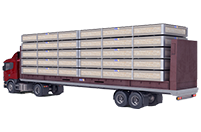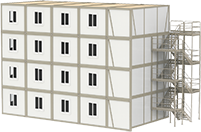
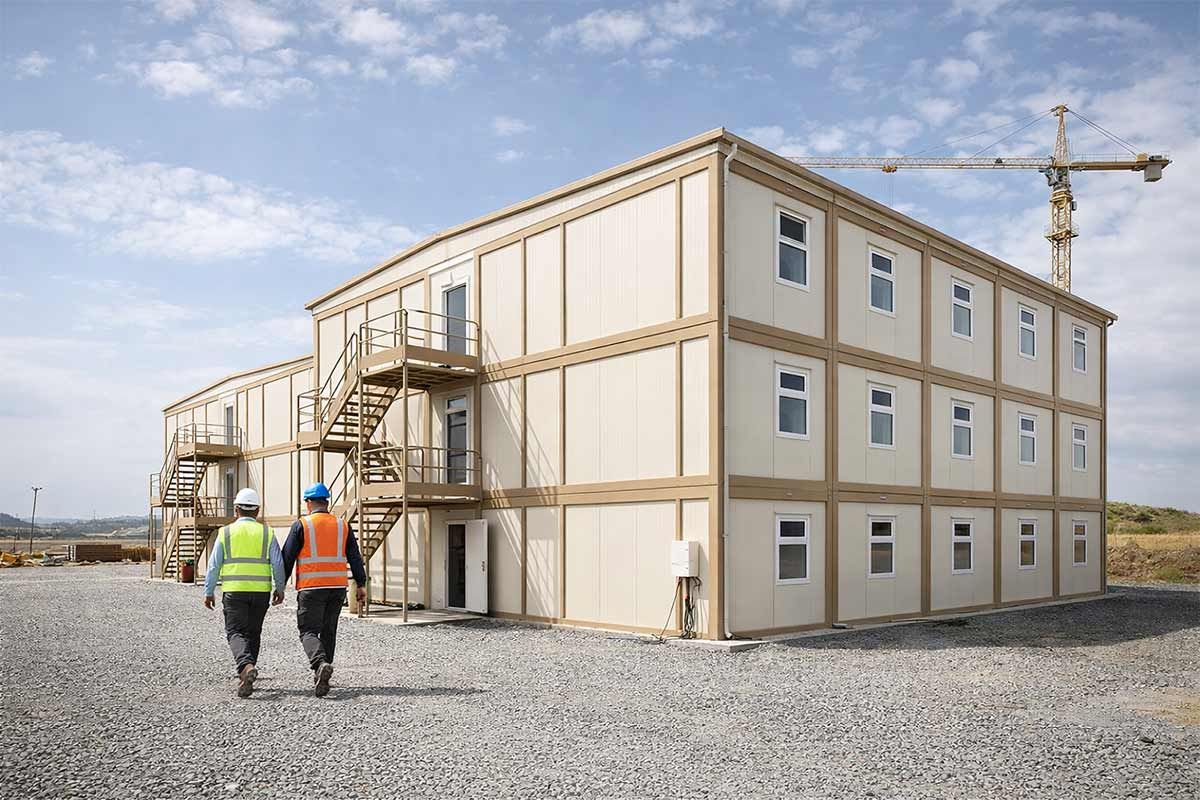
As businesses continue to evolve and adapt to faster production cycles, remote work models, and cost-conscious planning, the demand for flexible work environments has never been greater. One of the most innovative solutions emerging in recent years is the container office, a workspace created from durable shipping containers that can easily be transported, customized, and transformed into operational office units. Today, the use of containerized office structures is becoming increasingly common in industries ranging from construction and engineering to creative agencies, start-ups, and field-based teams. Companies searching for practical alternatives to traditional buildings now explore options such as container office for sale, container office on rent, or the use of portable storage units and repurposed shipping containers to meet their growing operational needs.
These offices serve as an environmentally friendly and cost-effective approach to workspace management. Because they originate from recycled steel containers, they significantly reduce construction waste, and their inherent mobility allows businesses to relocate operations without having to rebuild. As modular workspaces, they offer the strength of industrial-grade materials but the comfort of modern office interiors, creating a balance that appeals to organizations of all sizes. Whether a company needs a temporary project office, a long-term headquarters, or a creative open-plan workspace, using a shipping container office provides a streamlined, durable, and highly adaptable alternative.
Purchasing a container office has become an increasingly popular choice for companies seeking long-term stability. When investing in a container office for sale, businesses gain complete ownership of their workspace, meaning they can adapt it, expand it, and reconfigure it as needed over time. This level of control is especially valuable for companies operating in remote or challenging environments where traditional construction may be too slow or too expensive. The durability of shipping containers makes them naturally suited for conversion into long-lasting offices. Their steel framework, originally designed to withstand ocean travel and extreme conditions, offers unparalleled structural integrity. Once insulated and refined, these containers function much like traditional office buildings, but at a fraction of the cost.
Another significant advantage of purchasing a container office lies in the speed of setup and deployment. A typical office building may take months to plan, permit, and construct, whereas a pre-built container office can be delivered and ready for use within days. This rapid installation process supports businesses that need to scale quickly or relocate frequently. Buyers also benefit from virtually unlimited customization options. A container as office can be modified with personalized interior layouts, climate control systems, high-quality materials, energy-efficient windows, reinforced flooring, or advanced technological infrastructure. In sectors such as manufacturing, logistics, mining, and construction, owning a permanent shipping container office allows companies to maintain a strong operational footprint in any region without making large investments in conventional structures.
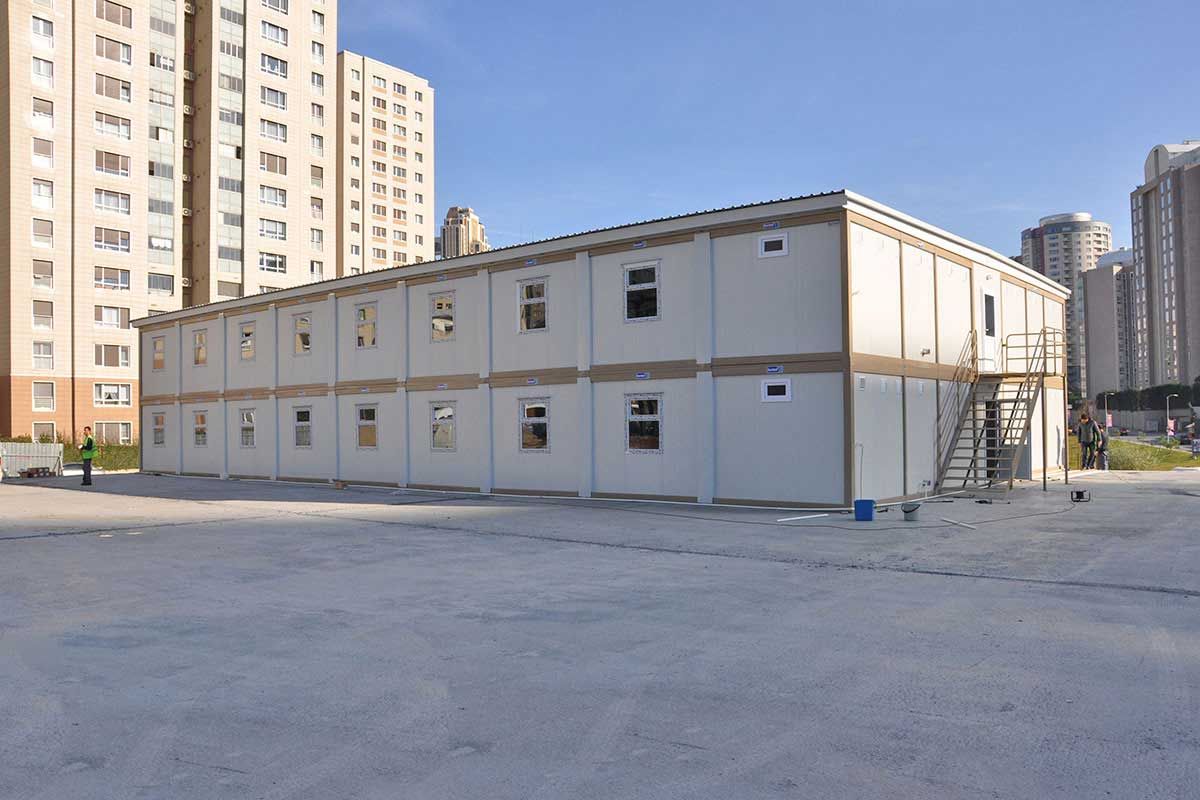
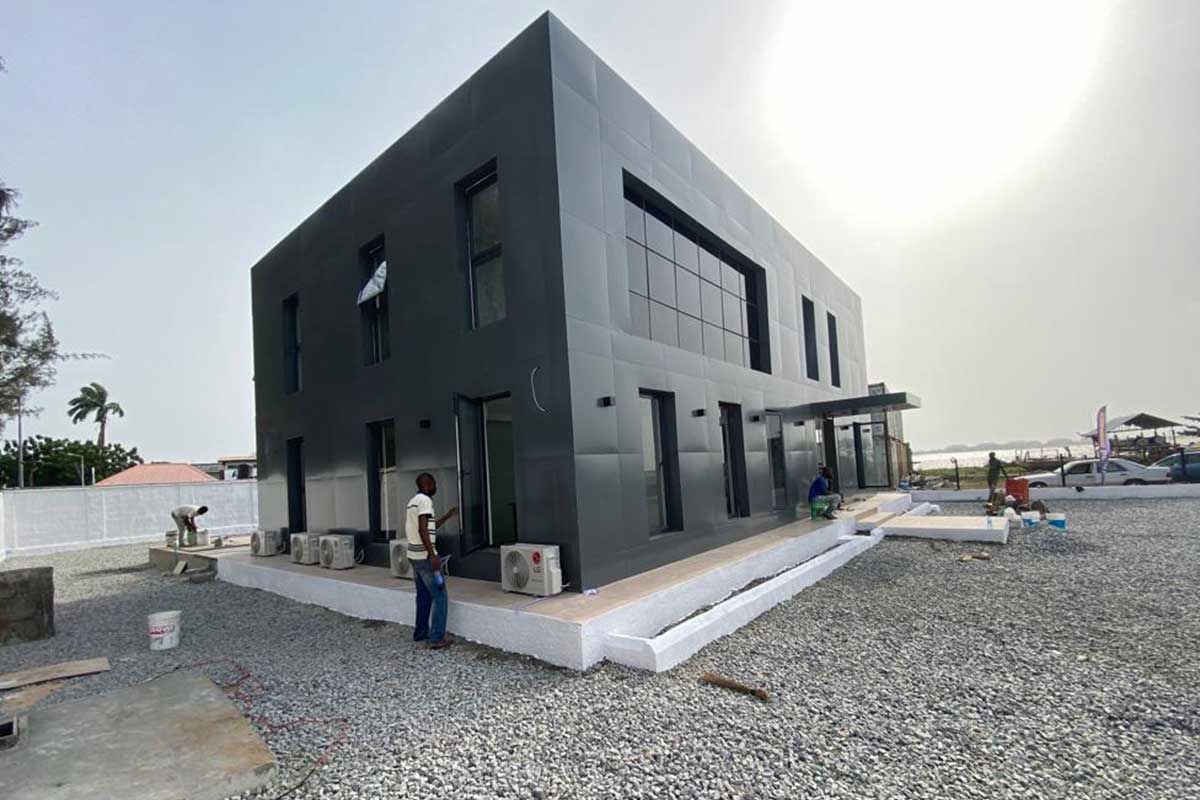
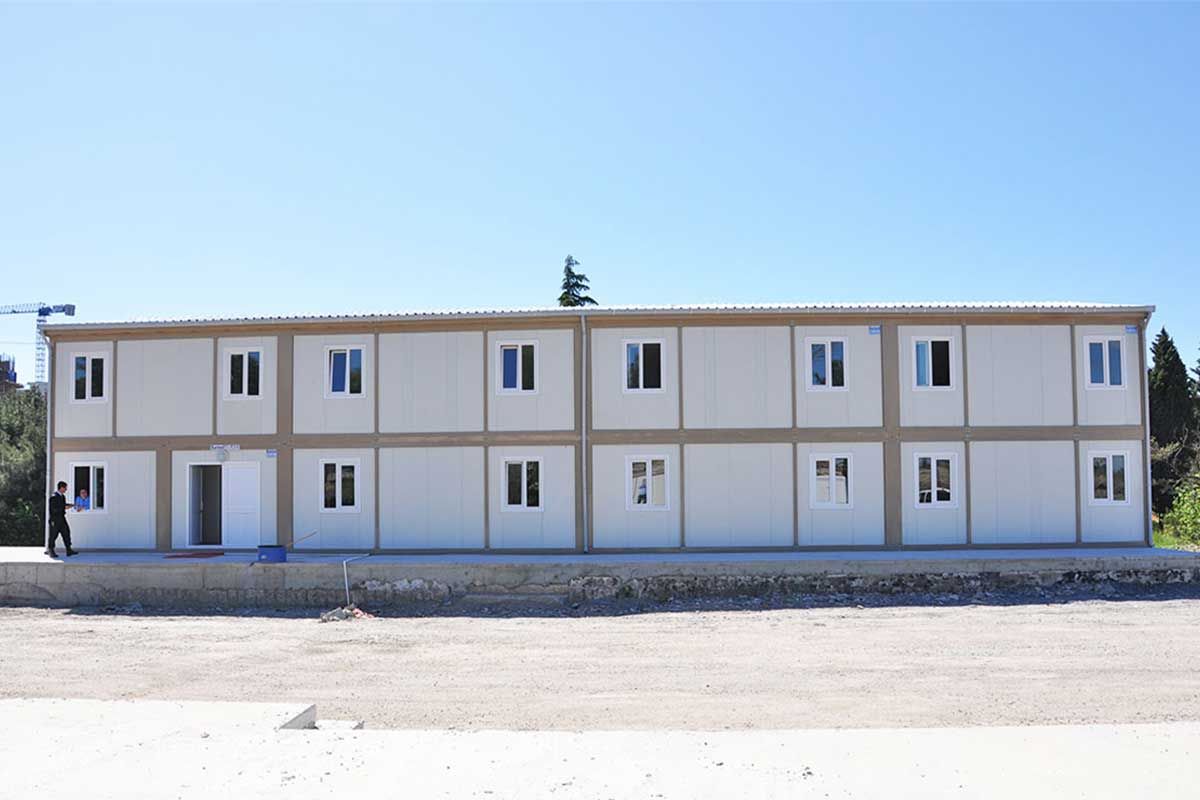
While purchasing may be ideal for long-term projects, many businesses prefer renting, particularly when workspace needs change frequently or when projects have fixed start and end dates. Choosing a container office on rent provides companies with flexibility, affordability, and convenience. Rental options are widely used by construction firms, event organizers, emergency response teams, and seasonal businesses requiring professional work environments for short durations. Renting significantly reduces upfront costs and eliminates ongoing maintenance responsibilities because most rental providers manage repairs and service needs directly.
Another reason renting is so effective is the availability of ready-to-use office units. Companies can select from a wide range of pre-configured portable storage units and containerized office models that already include lighting, air conditioning, electrical systems, workstations, and other essential office components. This minimizes preparation time and ensures that teams can start working immediately upon delivery. Such advantages make rental container offices the perfect solution for temporary field operations, job site management, roadwork coordination, pop-up command centers, and remote research projects. Businesses engaged in disaster relief or humanitarian work also heavily rely on mobile shipping container office units, as they can be transported quickly to areas where infrastructure has been damaged. Renting allows organizations to adjust their workspace capacity with ease, scaling up or down as projects progress.
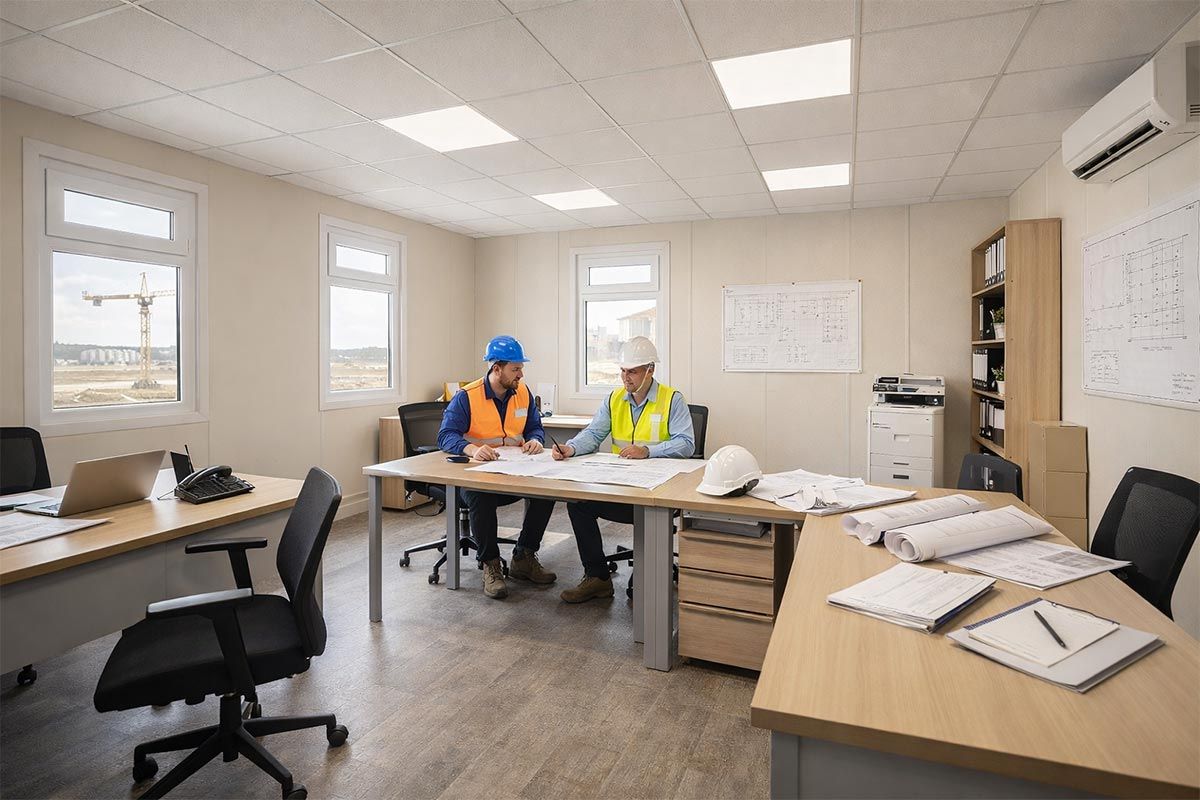
One of the most appealing aspects of container offices is their incredible versatility. A single container can be transformed into a compact yet stylish workspace, or multiple containers can be combined to create interconnected office complexes. The design potential is nearly unlimited, and companies can tailor both the exterior and interior to reflect their brand identity, creativity, or functional objectives.
Many organizations seek container office ideas that align with minimalist, modern aesthetics, using clean lines, neutral colors, glass partitions, and flexible furniture arrangements. Others prefer open-concept collaborative environments where multiple employees can work together comfortably within a modular layout. Tech companies, design studios, and start-ups often choose industrial-themed interiors that highlight the container’s natural metal structure, blending raw materials with contemporary furnishings. In contrast, eco-conscious businesses may integrate green roofs, solar panels, recycled insulation, and natural lighting to create an environmentally sustainable workplace.
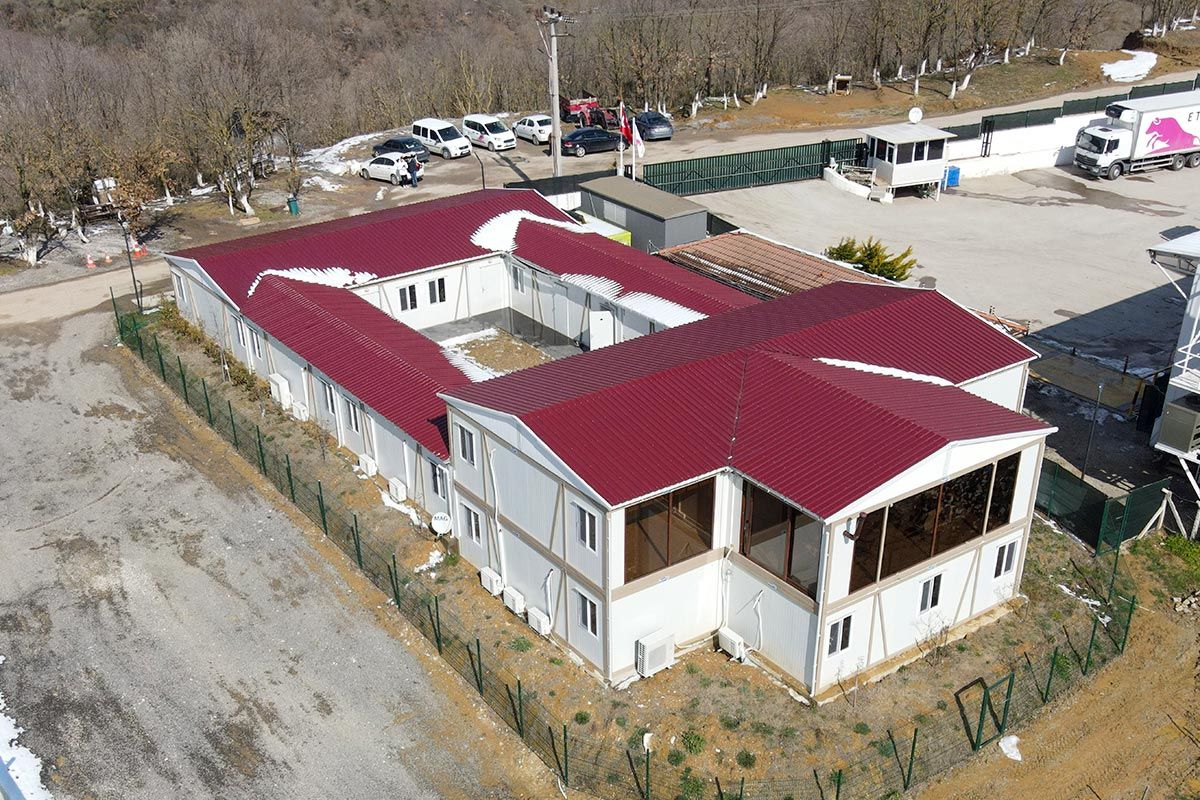
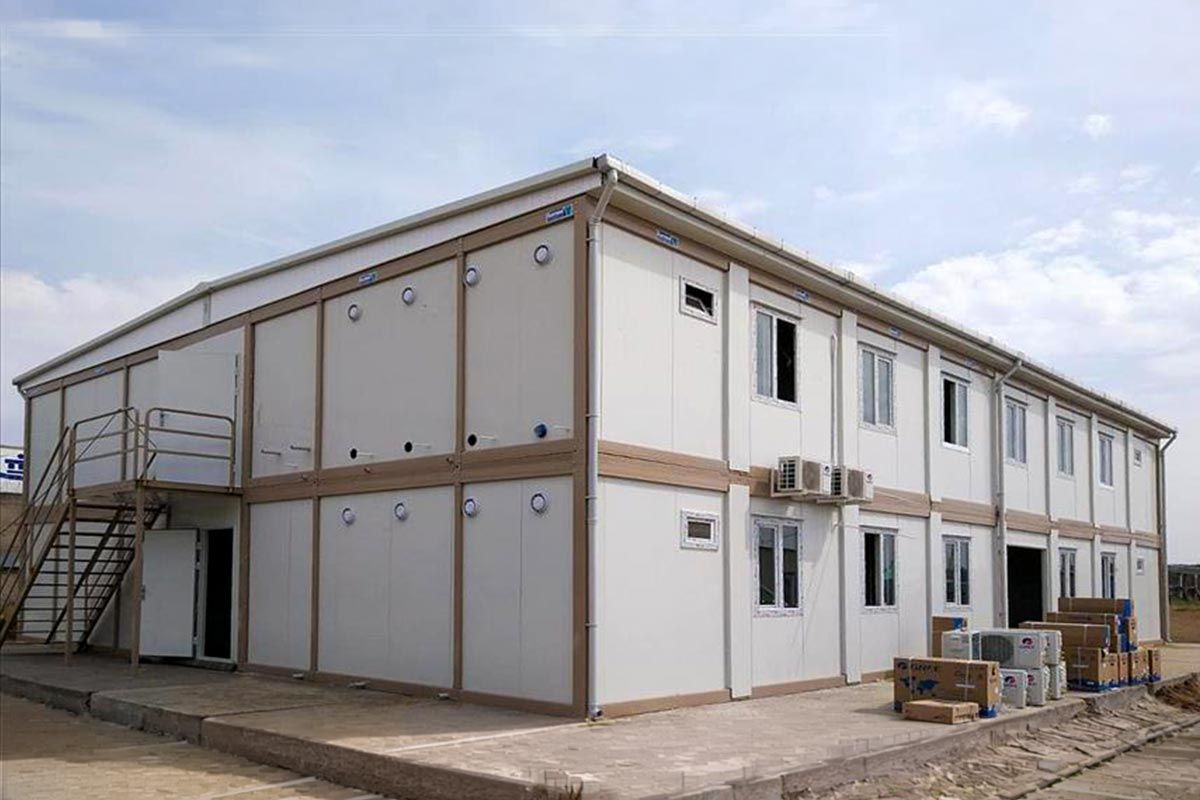
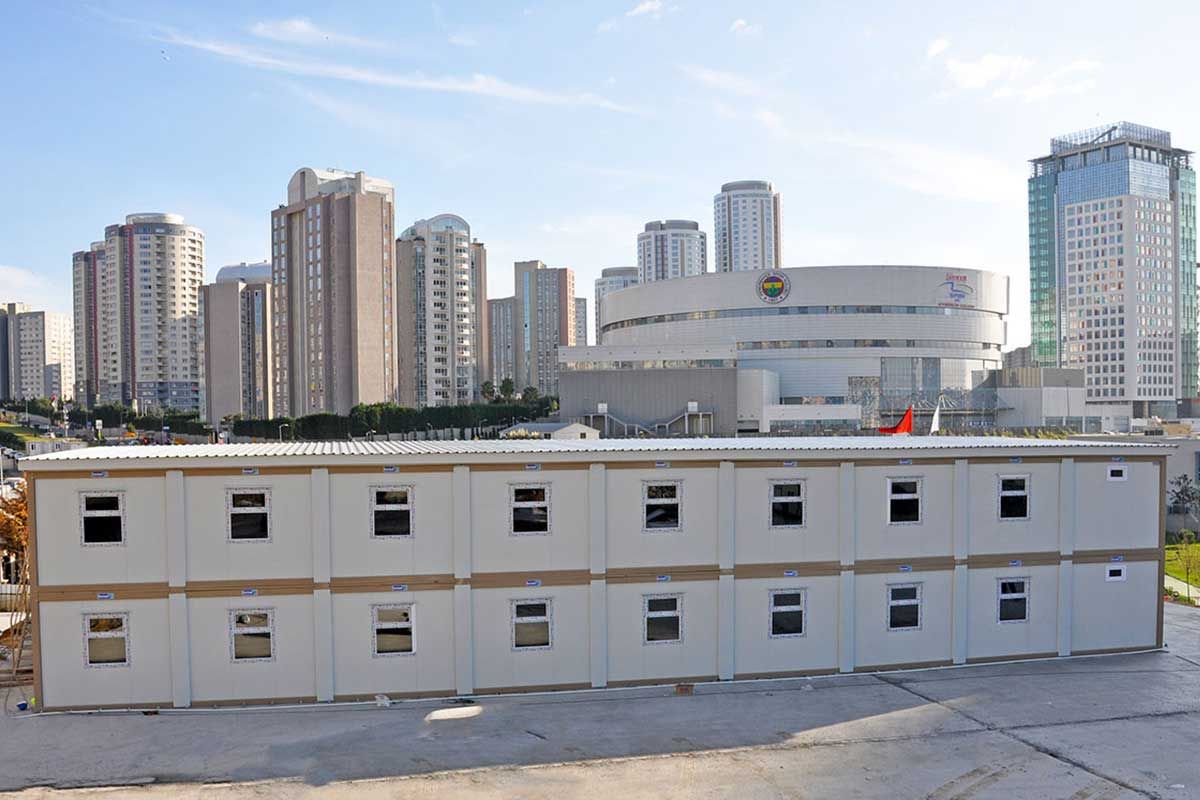
Mobile field offices are another innovative concept, particularly useful for companies operating across multiple locations. These movable offices can be equipped with communication systems, storage compartments, and energy solutions, allowing teams to remain productive no matter where they’re deployed. Meanwhile, executive-level suites made from shipping containers are becoming increasingly popular, featuring luxury finishes, full-length glass windows, and private meeting areas. Co-working spaces built from multiple modular containers have also gained traction, offering affordable, flexible, and scalable work environments for entrepreneurs and small businesses.
The interior design of a container office is crucial for comfort, efficiency, and productivity. Although shipping containers start as simple steel boxes, they can be transformed into sophisticated, climate-controlled work environments through modern architectural techniques. Today, many companies specializing in container conversions focus exclusively on developing high-quality container office interior designs that rival traditional office layouts.
Effective insulation is one of the most important components of any container interior. Proper insulation regulates temperature, reduces energy consumption, and ensures that the office remains comfortable throughout the year. This is typically combined with HVAC systems, high-performance windows, and ventilation features. Lighting also plays a significant role; interiors with LED fixtures, skylights, or glass facades create a bright, airy atmosphere that enhances productivity. Flooring materials such as vinyl, laminate, and engineered wood contribute to both durability and aesthetic appeal.
Space optimization is another key factor, as container offices often require strategic use of limited square footage. Designers frequently incorporate built-in desks, vertical shelving, and modular furniture to maximize efficiency without sacrificing comfort. Electrical wiring, internet connectivity, and security systems are discreetly integrated into the walls and ceilings to maintain a clean, organized workspace. Companies can personalize their interiors with brand-themed colors, artwork, and signage, turning a compact workspace into a professional and inspiring environment.
Yes. Containers can absolutely be used as offices and are widely adopted across many industries. Their durability, modularity, and affordability make them ideal for conversion. Once insulated, furnished, and equipped with electricity, heating, cooling, and office essentials, a containerized office can function just like any conventional workspace while offering much greater mobility and flexibility.


 EN
EN