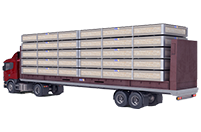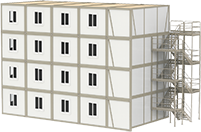
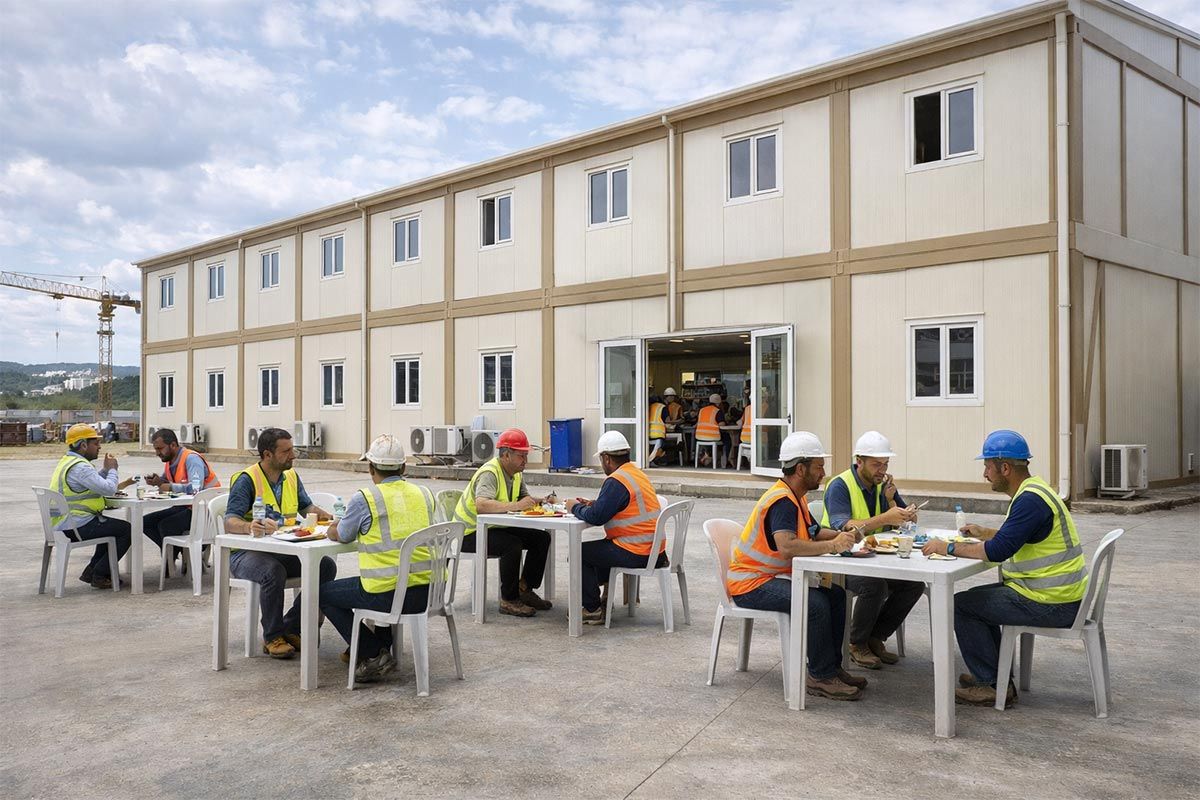
Across the global food and beverage industry, a new architectural trend has rapidly captured the attention of entrepreneurs, chefs, and hospitality designers: container restaurants. Built from repurposed shipping containers, these innovative dining spaces combine contemporary aesthetics with functional efficiency. They offer a budget-friendly and highly flexible alternative to traditional restaurant buildings, all while supporting sustainability movements. As cities grow and consumer expectations shift toward unique, experience-driven environments, container restaurants introduce a refreshing style that resonates with modern diners.
The rise of the container cafe, pop-up eateries, food parks, and hybrid dining concepts demonstrates how versatile these structures have become. Their industrial appeal, modular capabilities, and quick deployment timelines enable restaurant owners to launch eye-catching dining spaces in high-traffic areas, festivals, beachfronts, and even remote destinations. Paired with the increasing popularity of takeout dining, businesses are also rethinking packaging needs, including the use of take out containers, take out box varieties, and alternatives to styrofoam take out containers.
As the food industry continues to adapt to evolving consumer habits especially the boom of delivery and takeaway services container restaurants offer a dynamic environment where creative design, efficiency, and sustainability meet.

Creating a successful container restaurant involves balancing aesthetics, functionality, and customer experience. The appeal of container structures lies in their industrial look and customizable framework. Designers can reshape, stack, cut, and modify containers to produce visually striking layouts that cater to various themes from minimalist cafes to vibrant street-food bars.
A well-designed container restaurant starts with structural planning. Because shipping containers come in standard sizes, architects can easily combine multiple units to create multi-level spaces or larger dining areas. Large glass windows can be added to bring in natural light, while custom openings allow for outdoor seating extensions, rooftop terraces, and walk-up service counters popular in fast-casual dining.
The interior design of a container restaurant also plays a crucial role in shaping customer perception. Many businesses incorporate warm wood paneling, metal accents, greenery, and ambient lighting to offset the industrial exterior. For container cafes, the design often emphasizes cozy atmospheres, complete with modern furniture, bar counters, and artistic décor. Larger restaurants may integrate open kitchens, service stations, flexible seating patterns, and branded design elements.
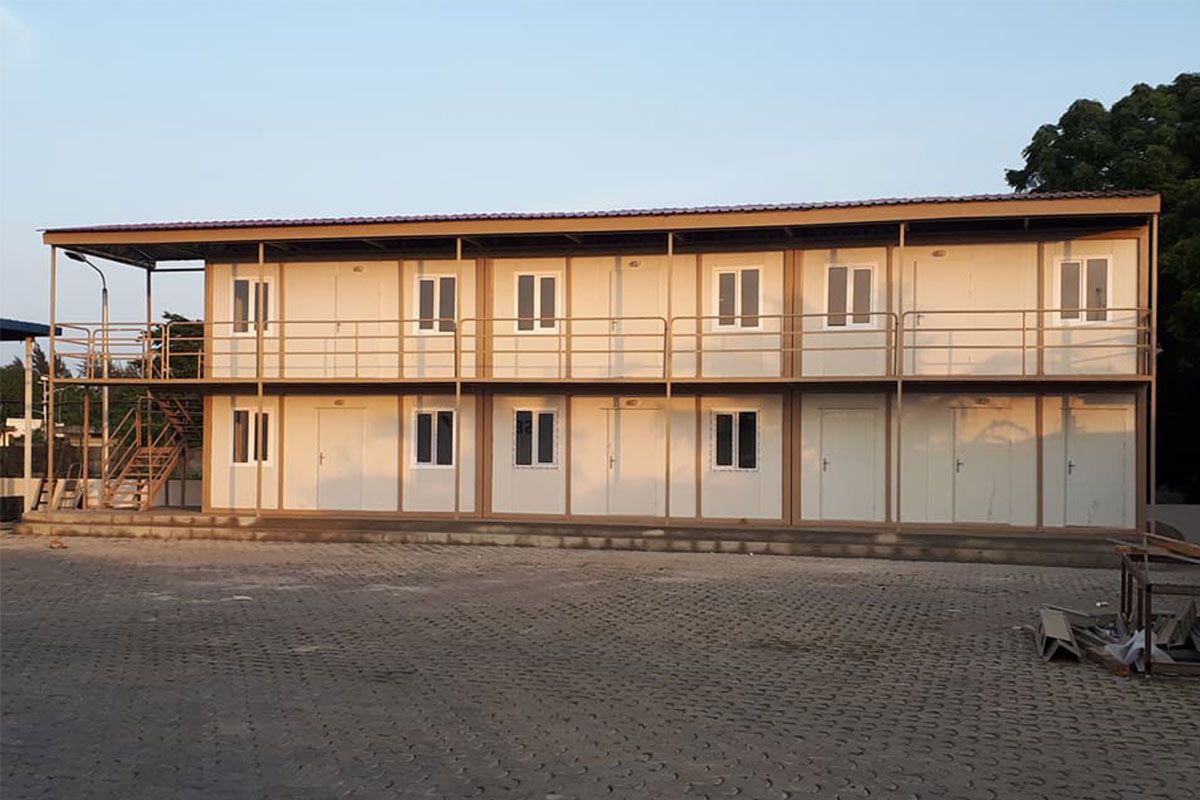
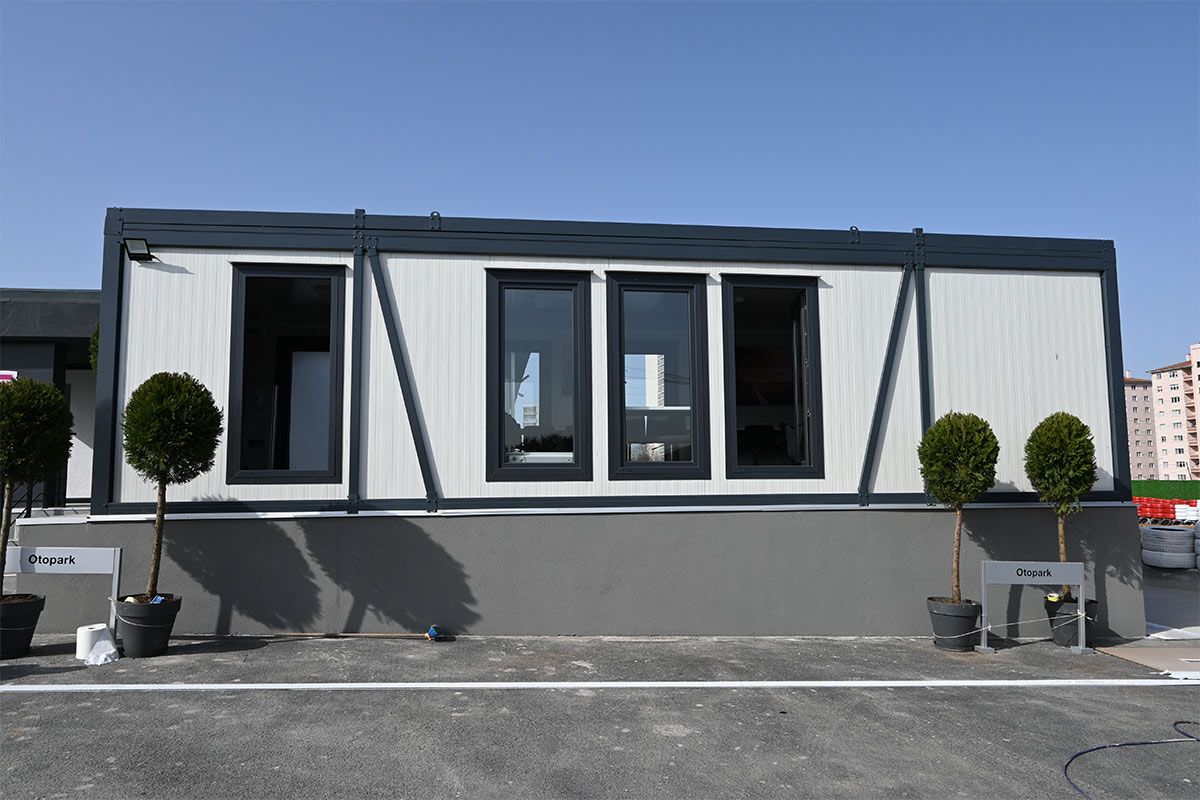
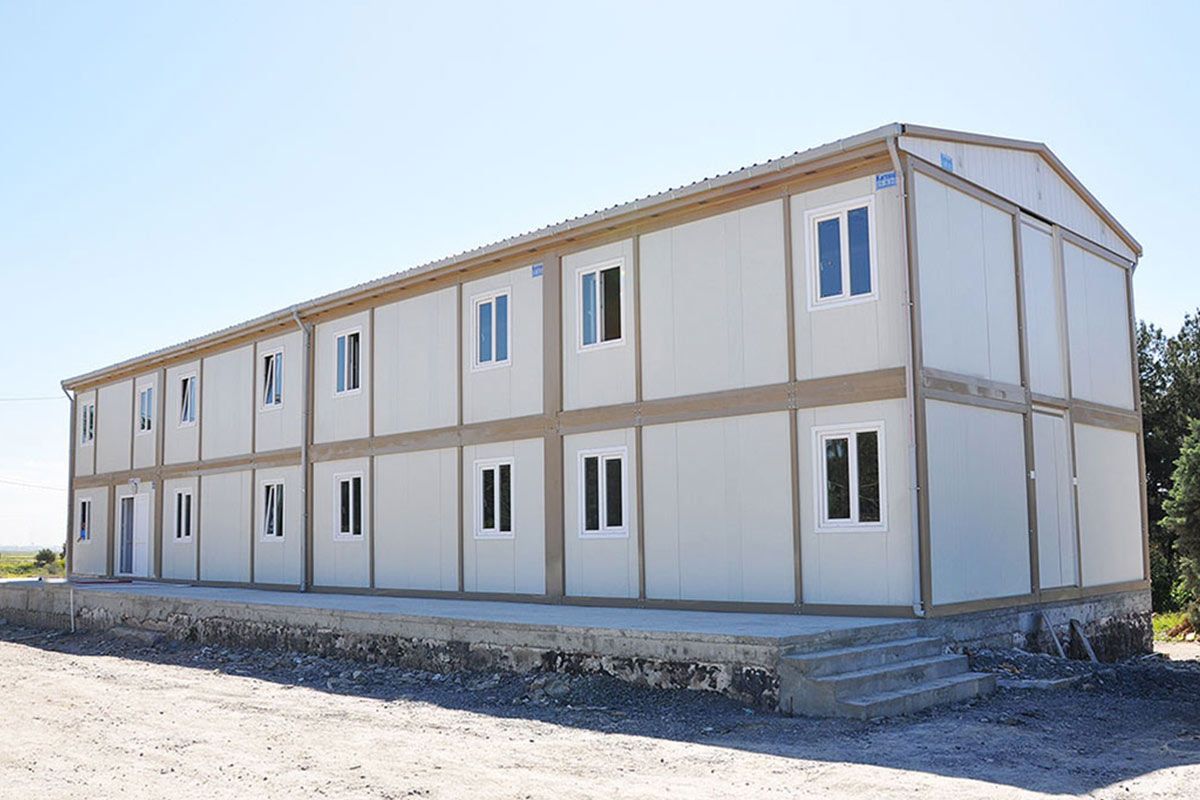
Sustainability is another key advantage of container restaurant design. Reusing shipping containers reduces construction waste, and eco-friendly choices such as recycled materials, energy-efficient lighting, and low-energy appliances further strengthen the restaurant’s environmental profile. As more consumers seek eco-conscious dining experiences, such features can improve overall brand value.
The growth of takeaway dining has significantly influenced how container restaurants operate. Regardless of whether a business is a full-service venue or a compact container cafe, selecting the right restaurant take out container is essential for maintaining food quality and customer satisfaction.
Businesses often choose between several packaging options: traditional take out containers, modern compostable variants, leak-proof boxes, and the common take out box used for noodles, stir-fry dishes, and quick meals. While styrofoam take out containers were once widely used, sustainability concerns have prompted many restaurant owners to adopt biodegradable or recyclable alternatives.
When selecting takeout packaging, restaurants consider insulation, durability, environmental impact, and cost efficiency. A dish served from a container restaurant must travel well, retain its temperature, and arrive in excellent condition. Many contemporary container restaurants integrate branded packaging as part of their marketing strategy, ensuring that even delivery orders reflect the quality and personality of the establishment.
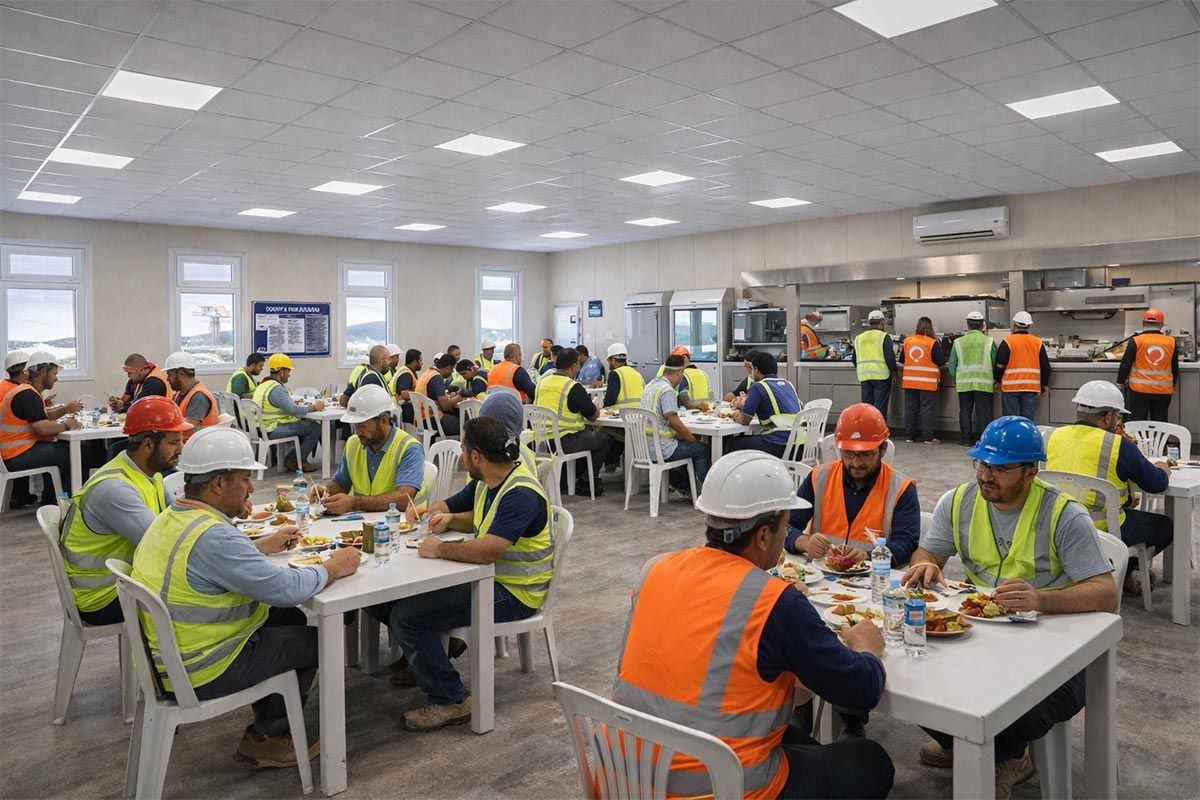
Furthermore, pairing takeout packaging with the aesthetic of a container restaurant creates a cohesive brand experience. Customers increasingly value eco-friendly packaging, pushing restaurants toward plant-based materials, paper-based alternatives, and recyclable plastics. As environmental awareness grows, the shift away from styrofoam take out containers is becoming an industry-wide standard.
As demand for modular dining environments increases, many entrepreneurs explore options for purchasing container restaurant for sale units. These pre-built or customizable container structures provide an accessible entry point into the food business. They significantly reduce the costs typically associated with restaurant construction, such as extensive permits, complex wiring installations, and traditional building expenses.
Purchasing a container restaurant allows business owners to choose from a range of configurations single-unit cafés, dual-container dining rooms, multi-level restaurant bars, or even food hall-style clusters made from interconnected containers. Many manufacturers now offer turnkey container restaurant solutions that include kitchen layouts, ventilation systems, electrical wiring, plumbing, and interior finishes. This reduces setup time dramatically, allowing new ventures to open within weeks rather than months.
A key advantage of buying a container restaurant is mobility. If the business outgrows its location or needs to shift to a more profitable area, the entire structure can be moved. This adaptability makes container restaurants ideal for beachfronts, parks, festivals, seasonal towns, and rapidly evolving urban districts.
Another rising trend is the use of container restaurants in hospitality developments. Resorts, event venues, and eco-lodges purchase container dining units to create unique guest experiences. Their eye-catching, modern style complements luxury settings while preserving functional practicality.
In the digital era, visuals carry immense influence, and container restaurant images play a key role in attracting customers and building brand identity. Social media platforms like Instagram, Facebook, and Pinterest have amplified the popularity of aesthetically pleasing container cafes and restaurants. A striking exterior, bold color palette, or stylish interior can quickly turn a local eatery into a viral sensation.
Images also help entrepreneurs visualize potential layouts when planning new restaurants. From minimalist container cafes with clean lines and soft lighting to vibrant street-food concepts enhanced with bold art, container restaurants offer endless possibilities. Many business owners collect visual inspiration before designing their space, exploring variations in container stacking, terrace additions, outdoor seating arrangements, and custom façade treatments.
High-quality container restaurant images also serve as valuable marketing tools. They support branding efforts, drive foot traffic, and strengthen online presence. As diners increasingly search online before visiting a restaurant, compelling visual content becomes an essential part of business growth.
Developing a container restaurant plan involves detailed architectural, operational, and financial considerations. Every successful container restaurant begins with a clear layout strategy that optimizes space. Designers must consider kitchen placement, customer flow, safety requirements, ventilation, plumbing, and electrical systems. Because containers have predefined dimensions, strategic planning ensures functionality without overcrowding.
A typical container restaurant plan includes sections for food preparation, ordering, seating, storage, sanitation, and outdoor extensions. Those planning a takeout-focused business might prioritize walk-up windows, compact kitchens, and efficient packaging stations. A dine-in restaurant may require additional considerations such as restrooms, table arrangement, and interior ambiance.
Beyond layout, a well-developed business plan should outline target market strategies, menu concepts, branding, and projected costs. Container restaurants often benefit from lower overhead, but electricity, equipment, ventilation, and regulatory compliance must still be included in planning.
A strong concept paired with a carefully structured plan helps entrepreneurs launch container restaurants more efficiently and increases long-term success.
Container restaurants are dining establishments built from repurposed shipping containers. They offer a modern, flexible, and cost-efficient alternative to traditional buildings. Their unique appearance, quick installation, and modular design make them ideal for cafés, fast-casual dining, food trucks, and themed eateries.
Many food containers are recyclable, but it depends on the material. Paper, cardboard, aluminum, and certain plastics can often be recycled when cleaned properly. However, styrofoam take out containers are generally not recyclable in many regions due to environmental concerns. Restaurants increasingly prefer eco-friendly alternatives to reduce waste.
The best food container for transporting food depends on the dish. Hot meals typically require insulated, leak-proof containers, while cold dishes may work well with lightweight plastic or paper packaging. Eco-friendly containers made from biodegradable materials are also suitable and widely used. The ideal choice ensures temperature retention, durability, and minimal leakage.


 EN
EN