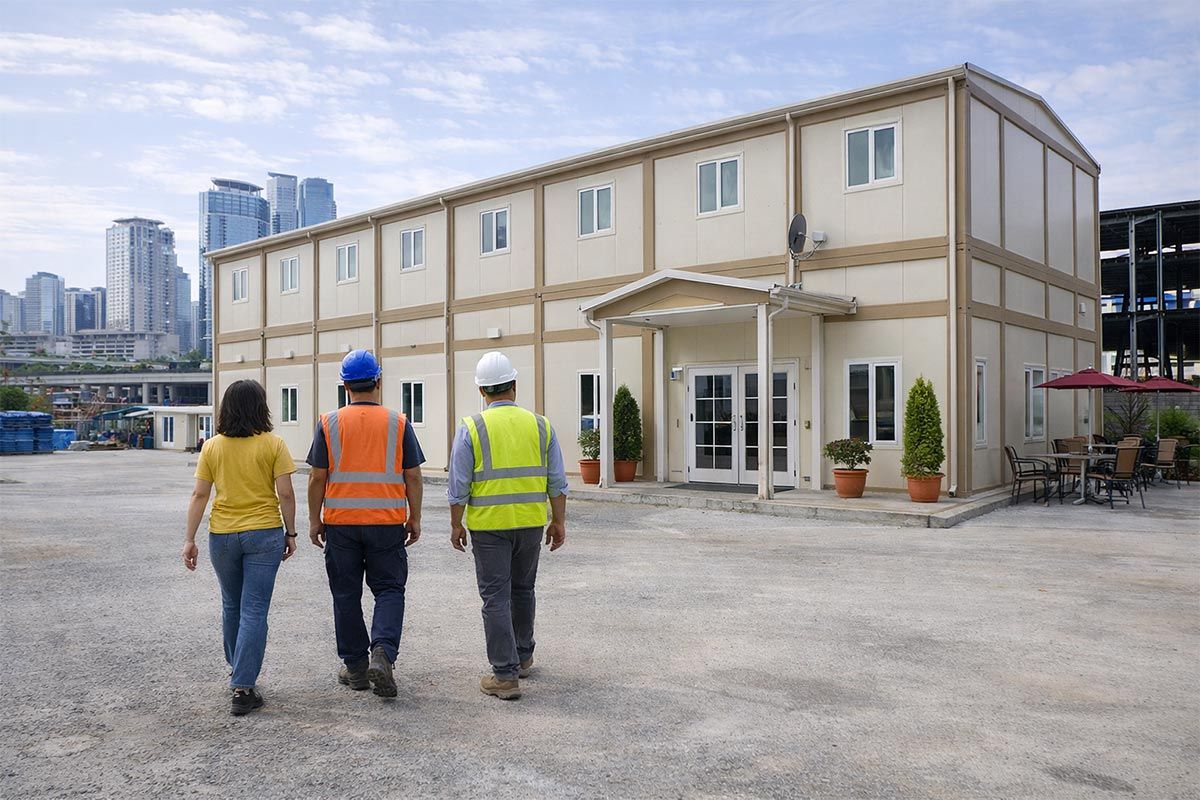
As cities expand, populations grow, and communities face evolving social and infrastructural demands, the need for flexible, fast-built, and cost-effective public facilities has never been greater. Modern societies require dynamic spaces where people can gather, learn, receive services, engage in cultural activities, or simply connect with one another. This shift has encouraged governments, NGOs, private institutions, and local municipalities to search for solutions that are both practical and economical. One of the most innovative and reliable answers to these needs is the social facility container, an advanced modular structure designed to support a wide range of community functions.
At Karmod Konteyner , social facility containers are engineered with modern construction techniques, durable materials, and aesthetic interiors that make them suitable for public-use environments. These facilities are widely chosen because they combine speed of production with long-term usability. Whether used as education centers, community hubs, medical clinics, youth activity spaces, or multi-purpose public buildings, these modular units allow organizations to establish essential services without the high costs and extended timelines associated with traditional construction.
The rising interest in modular construction is also closely tied to the growing popularity of prefab solutions. Many decision-makers now compare budgets using terms such as prefab social facility cost, evaluate the aesthetic appeal of modern prefab social facility designs, or explore affordable prefab social facility models that support efficiency without sacrificing quality. The container-based approach addresses all of these expectations, creating a new era in public infrastructure development.
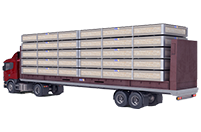
A social facility container is a modular building solution created from high-quality steel structures or repurposed shipping containers, designed to function as a public or community-serving facility. Unlike traditional buildings, these units are produced in controlled factory environments, ensuring precision, safety, and consistent quality. The completed modules are delivered to the installation site where they can be assembled or placed directly for rapid commissioning.
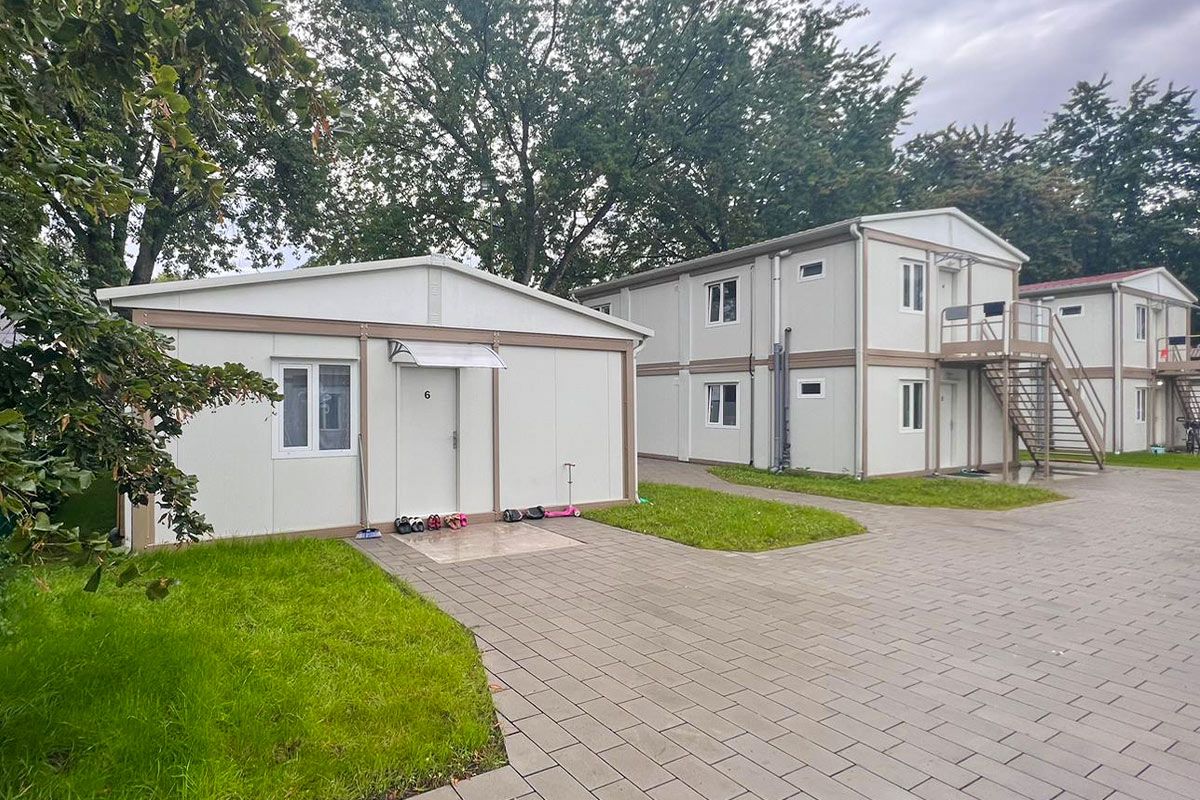
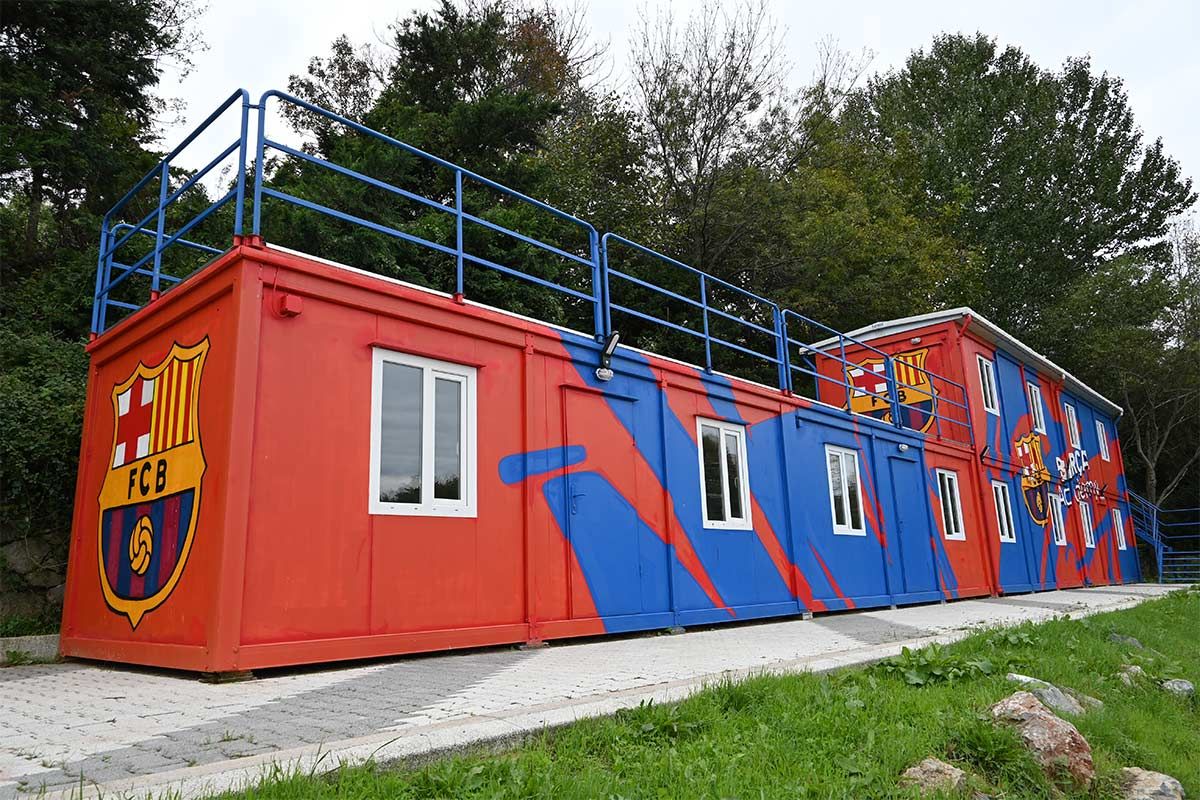
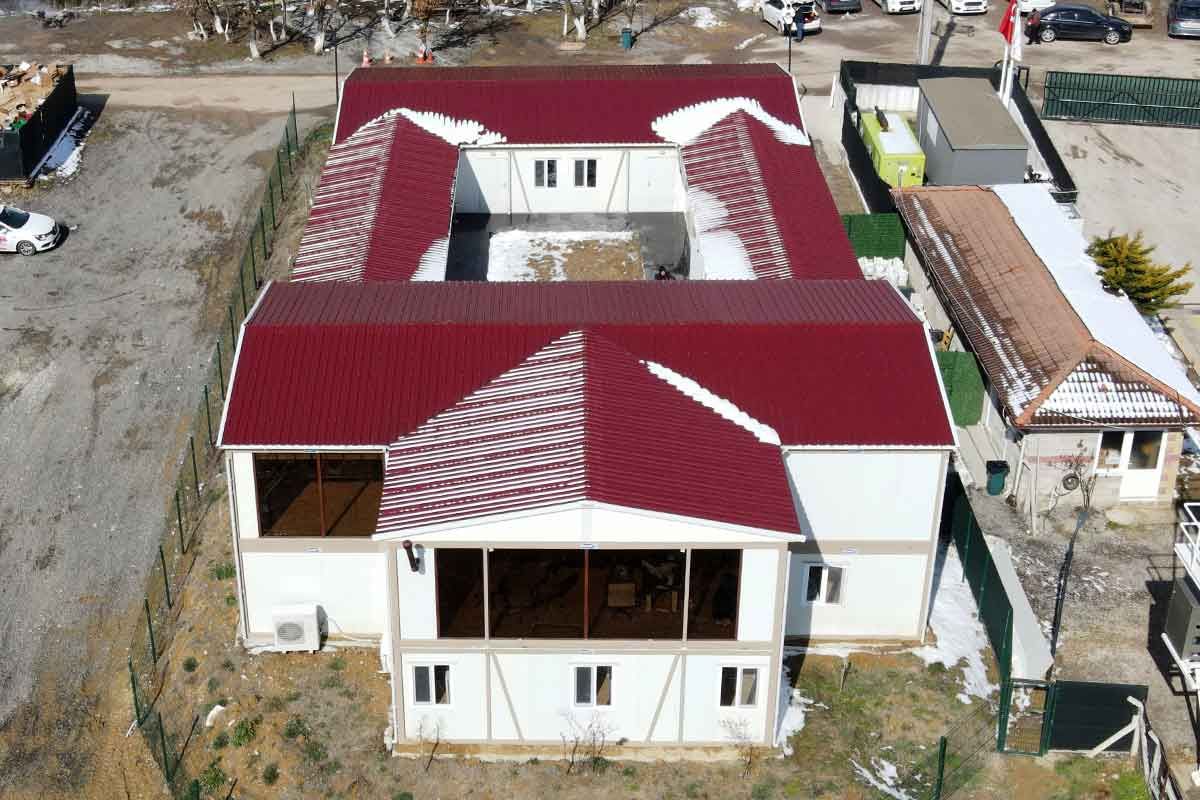
The primary purpose of a social facility container is to provide a functional and accessible space that supports communal activities. The design may include multi-purpose halls, meeting rooms, classrooms, health service areas, administrative offices, recreational spaces, or cultural centers. Because the structure is modular, it can be expanded or combined with additional units to accommodate community growth or evolving needs.
These buildings are especially valuable in locations where immediate infrastructure is needed, such as developing regions, newly established neighborhoods, temporary settlements, or remote communities. Their mobility and quick installation make them ideal for emergency response situations as well, offering essential social services within days rather than months.
The adoption of modular containers for social facilities continues to increase because of their numerous advantages. One of the most significant benefits is the rapid production and installation process. Traditional construction requires extensive groundwork, labor, material coordination, and long project durations. In contrast, modular container facilities are manufactured off-site in streamlined factory environments, significantly reducing delays caused by weather or material shortages. This ensures that communities receive essential services faster and more efficiently.
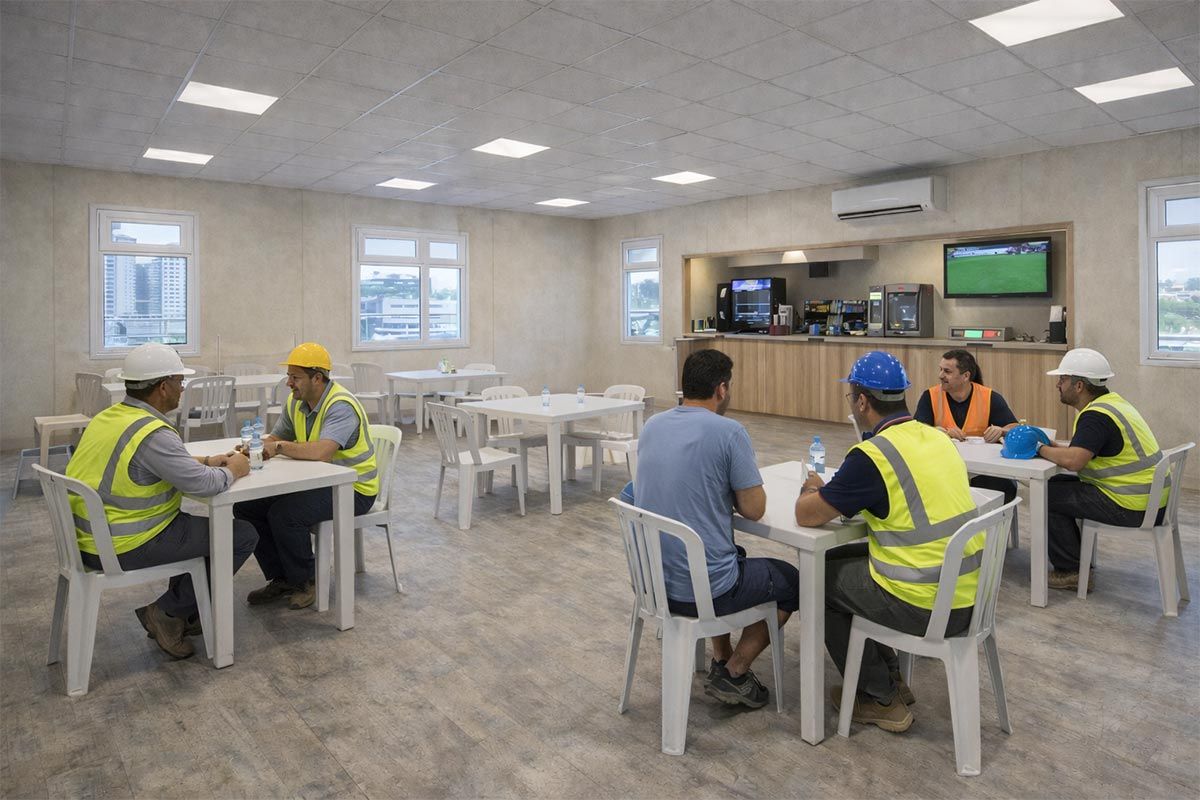
Another important advantage is cost efficiency. Organizations evaluating the prefab social facility cost often discover that container-based solutions are far more affordable than conventional alternatives. Because materials are standardized and labor is reduced, overall expenses decrease without compromising structural integrity or safety. This affordability supports governments and social organizations that must manage limited budgets while addressing urgent community needs.
Durability is also a defining feature of modular containers. Engineered with robust steel frames and insulated wall systems, these structures withstand harsh climates, seismic conditions, strong winds, and heavy usage. Their strength and longevity make them a reliable choice for permanent installations, while their portability allows them to serve temporary functions when required. This blend of durability and flexibility contributes significantly to their growing popularity.
From an environmental perspective, modular construction generates less waste and encourages responsible use of resources. Many modern prefab social facility designs incorporate energy-efficient materials, sustainable insulation, solar-ready wiring systems, and improved ventilation. These eco-conscious features reduce the long-term operational costs of community buildings while supporting global environmental goals.
Social facility containers are incredibly versatile and can be adapted to a wide range of community-oriented purposes. Municipalities frequently use them as neighborhood community centers where residents can participate in educational workshops, social gatherings, and cultural programs. Schools adopt modular units to expand classroom capacity, especially during periods of rapid population growth or renovation phases where temporary classrooms are needed.
Healthcare organizations also benefit from container-based facilities. Medical clinics, vaccination centers, first-aid stations, and mobile health units can be built quickly and stationed in underserved regions. Their easy transportability ensures that remote and rural communities receive consistent access to essential health services.
Non-profit organizations and social programs often rely on modular solutions to create youth centers, senior activity halls, training rooms, or shelters. The customizable nature of the structures makes it possible to tailor the interior layout for specific functions such as counseling, vocational education, administrative work, or child development programs.
Even recreational and cultural activities can be hosted within these modular units. Art studios, music rehearsal rooms, sports club offices, and library extensions are increasingly created using container-based designs. Their flexibility ensures that every community urban, suburban, or rural can benefit from a tailored social facility that supports local needs.
One of the most appealing aspects of social facility containers is the wide range of design and customization options available. Each project begins with an assessment of community requirements, which may include seating arrangements, accessibility features, acoustics, ventilation, lighting, and technology integration. Designers can modify both the interior and exterior to achieve a functional and aesthetically pleasing environment.
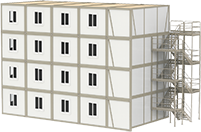
Modern prefab social facility designs often feature bright interior colors, durable flooring, energy-efficient windows, advanced insulation systems, and modular furniture. The layouts can be optimized for learning environments, health clinics, office spaces, or multi-purpose halls. Containers can be joined side by side or stacked vertically to create spacious structures with multiple rooms and levels.
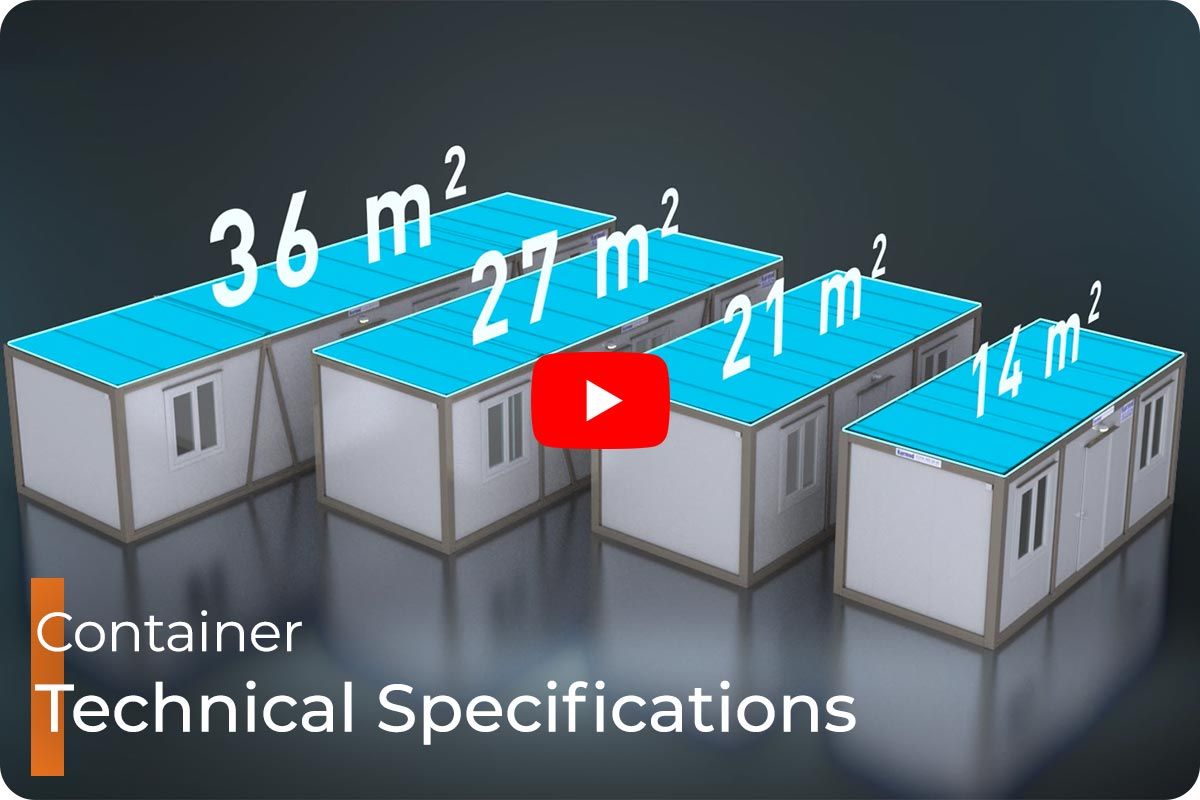
Customizations may include reception areas, partitioned classrooms, restrooms, kitchens, storage areas, or open-plan meeting halls. Clients reviewing container resting room plans or similar modular layouts often appreciate how scalable and adaptable container-based architecture can be. Whether a project requires a small single-room unit or a large complex with multiple interconnected sections, modular solutions make it achievable with minimal complications.
Exterior customization is also possible. Facade color schemes, exterior cladding, shaded entryways, ramp installations, and branding elements help the building integrate seamlessly into its community environment. These design options ensure that each facility supports not only functionality but also visual appeal and inclusivity.
The installation process for social facility containers is one of the simplest and fastest in modern construction. Because each unit arrives pre-manufactured, the on-site work is minimal. Typically, the container module is placed onto a prepared foundation, connected to utilities such as water and electricity, and inspected for operational readiness. This streamlined approach reduces project timelines dramatically and minimizes disruptions to surrounding areas.
Maintenance requirements are equally efficient. The durable steel frame and insulated panel system ensure long-term structural stability, reducing the need for frequent repairs. Routine inspections for HVAC systems, electrical fixtures, and window fittings are generally sufficient to maintain performance. Compared to traditional buildings that may require costly maintenance over time, modular container facilities offer a more predictable and manageable operational cost.
For communities seeking affordable prefab social facility solutions, this low-maintenance advantage provides significant financial relief. The long lifespan of modular containers, combined with minimal upkeep, ensures that organizations can maintain high-quality facilities without burdening long-term budgets.
A social facility container is a modular structure designed to support community-focused services such as education, healthcare, administrative work, recreation, and cultural programs. It offers a flexible, cost-effective, and durable alternative to traditional public buildings, making it ideal for both temporary and permanent use.
Modular containers provide rapid installation, affordability, environmental sustainability, strong durability, and the ability to be relocated or expanded. These qualities make them especially beneficial for communities with growing populations or limited construction resources.
Yes. Social facility containers are highly customizable. They can be adapted into classrooms, medical units, administrative offices, cultural centers, workshops, or multi-purpose halls. Layouts, materials, interior design, and technological features can all be tailored to suit the needs of the community.
Social facility containers are engineered with robust steel structures and high-quality insulation materials, ensuring excellent resistance to extreme temperatures, wind, humidity, and long-term usage. Their durability makes them reliable for year-round use in both urban and remote environments.


 EN
EN